Ernest Shackleton didn’t set out to become a leadership case study.
He wanted to cross Antarctica.
That was the mission. Clean. Bold. Ambitious in the way great plans always are before reality gets a vote.
He recruited a crew, bought a ship, and pointed it toward a continent that had already erased better men than him. No corporate sponsors. No media team. Just belief and a hull full of supplies.
And then the ice closed.
The Disaster That Gave Them Time to Watch
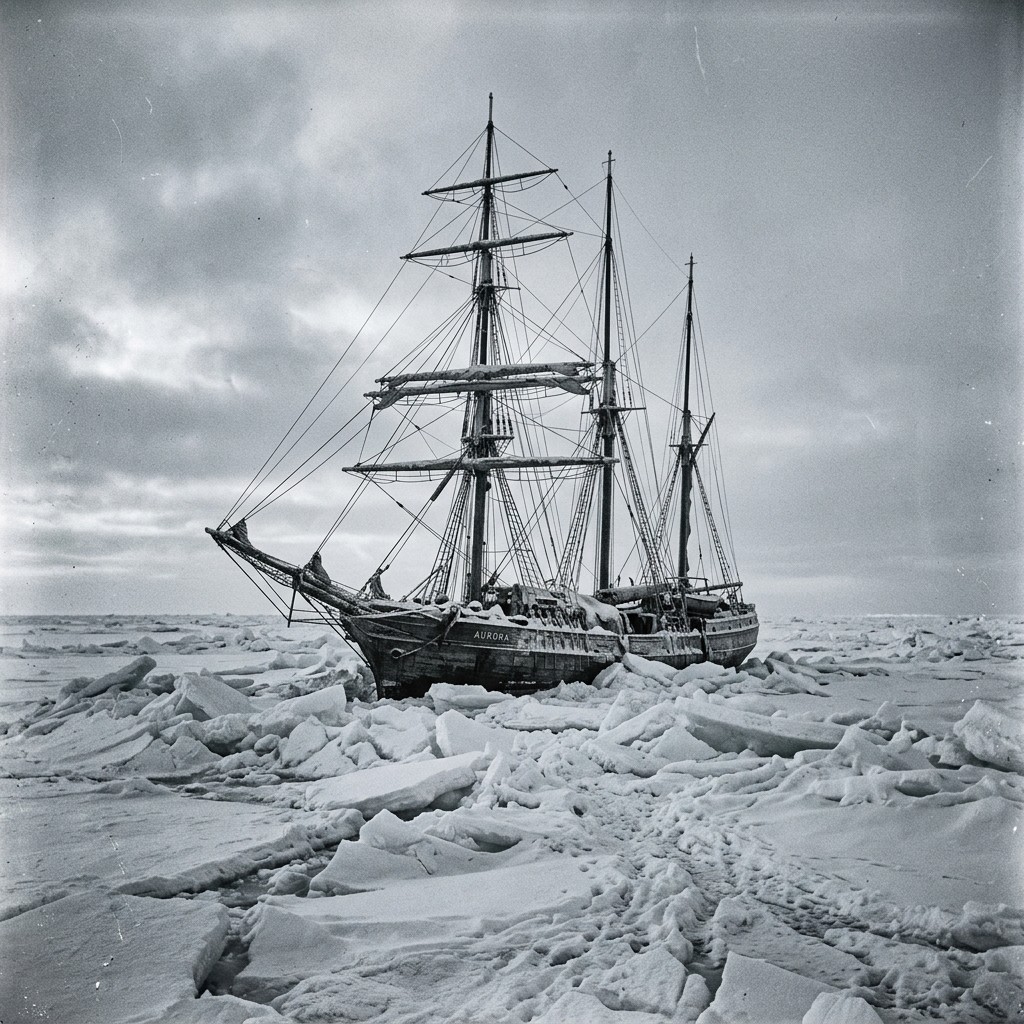
The ship, the Endurance, didn’t explode in a dramatic moment. It didn’t sink heroically in a storm.
It got trapped.
Slowly. Quietly.
The worst kind of disaster is the one that gives you time to understand exactly what’s happening while you realize you can’t stop it.
The ice didn’t negotiate.
It didn’t care about intent. It didn’t respond to effort.
It just closed.
Months passed with the ship frozen in place while the crew drifted without control, listening to the sound of pressure tightening around wood that was never meant to survive that environment.
And when the hull finally gave way, it wasn’t cinematic.
It was final.
The mission ended before a single step was ever taken on land.
What He Did Instead of a Speech
Most leadership books would start the motivational speech right there.
Shackleton did the opposite.
He didn’t gather the crew and sell vision. He didn’t pretend everything would be fine. He didn’t manufacture optimism.
He understood something far more practical:
Panic spreads faster than fear.
And the only antidote to panic is structure.
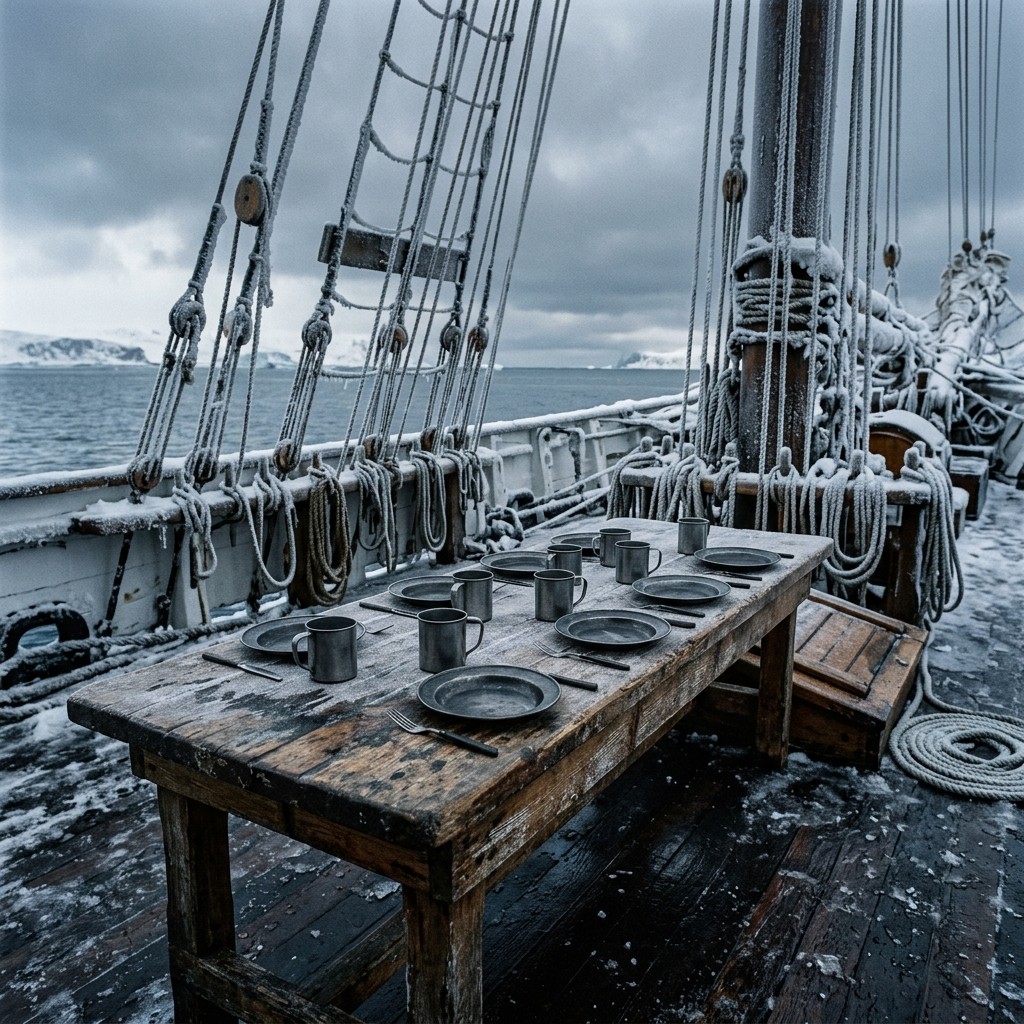
So he built routine.
Meals happened on schedule. Tasks stayed assigned. Equipment stayed organized. Expectations didn’t soften because the environment worsened.
If anything, they tightened.
Every habit mattered because habits kept the mind occupied. And an occupied mind doesn’t spiral as easily.
In a frozen wasteland, culture became oxygen.
Not motivation. Not inspiration. Structure.
He Didn’t Defeat Fear. He Prevented Disorder.
The men weren’t fearless. Nobody stranded in Antarctica is fearless.
But fear never became the operating system of the group.
The culture absorbed it before it could run the room.
And that distinction matters more than most people realize.
Shackleton didn’t defeat fear.
He prevented disorder.
Disorder is what destroys groups long before conditions do.
Every reaction became contagious. Every shrug, every complaint, every lapse in discipline carried weight. He understood that leadership in extreme environments isn’t about heroic speeches.
It’s about maintaining the invisible architecture that keeps people steady when everything else starts breaking apart.
The ship was gone.
The culture stayed.
And every man survived.
Not because Shackleton was superhuman.
Because the room he built refused to fracture.
The Coaching Version of Antarctica
Most of us will never be stranded on ice.
But all of us eventually lead rooms that drift into pressure.
- A locker room after a losing streak.
- A classroom after a rough semester.
- A workplace when layoffs start whispering through the hallways.
Different temperature. Same test.
I’ve stood in gyms where momentum flipped so fast you could physically feel the air change.
A couple missed shots. A defensive breakdown. One bad possession turns into three.
Suddenly players stop looking at each other and start staring at the scoreboard. Voices sharpen. Shoulders tighten. Everybody starts feeling the pressure at the same time.
That’s the moment culture either holds or collapses.
Not because of what gets said.
Because of what stays consistent.
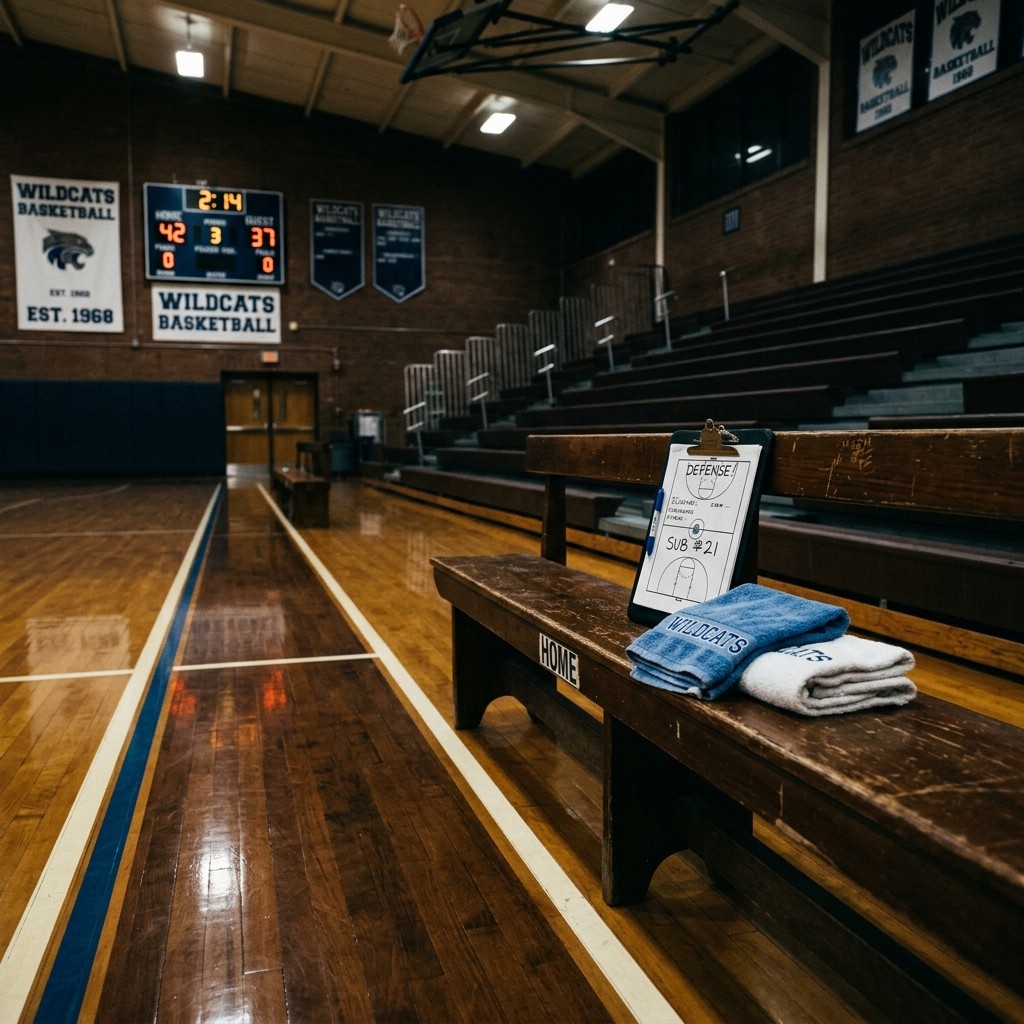
The teams that survive those moments don’t magically invent confidence. They fall back on structure:
- Same communication.
- Same standards.
- Same expectations for effort and composure.
The room remembers what it’s supposed to feel like and moves back toward it.
That’s culture doing its job.
It carries people when emotion can’t.
What Comfort Quietly Teaches
When environments become filled with constant safety nets — endless explanations, automatic second chances, rescue before consequence — people never fully develop internal structure.
Comfort teaches dependence. Rescue teaches avoidance. Flexibility without standards teaches fragility.
And eventually the real world removes the net.
That’s when fragility gets exposed.
Not by cruelty.
By reality.
What Actually Runs the Room
In hard moments, nobody remembers the slogan painted on the wall. Nobody quotes the handbook.
The only thing left is the culture that was rehearsed when life was easier.
That’s what runs the room.
Culture isn’t tested when the plan works. It’s tested when the structure holds after the plan collapses.
When routines stay steady. When standards stay visible. When panic doesn’t get permission to lead.
That’s where survival turns into identity.
That’s where resilience gets practiced.
That’s where calm is chosen…
…when no one is watching.
Throughout June, I’ll be writing about parenting, culture, accountability, and the environments that shape future leaders long before adulthood arrives — along with some of the funniest, craziest, and most unbelievable stories from 35 years in classrooms, locker rooms, dugouts, and parent meetings.
This story first appeared on Matt’s Substack. Read the original post — “The Calm When the Ice Breaks” — and subscribe to the newsletter for short stories and practical lessons like this one every week.